Some links on this page are affiliate links. If you buy through them I may earn a small commission at no extra cost to you.
In this story
Three friends in our cabin had bought a pie at the little market by the monastery. When the cable car stopped, they cut it up and offered it round, us included. There were fifteen of us in the cabin, and everyone was worried and trying not to show it.
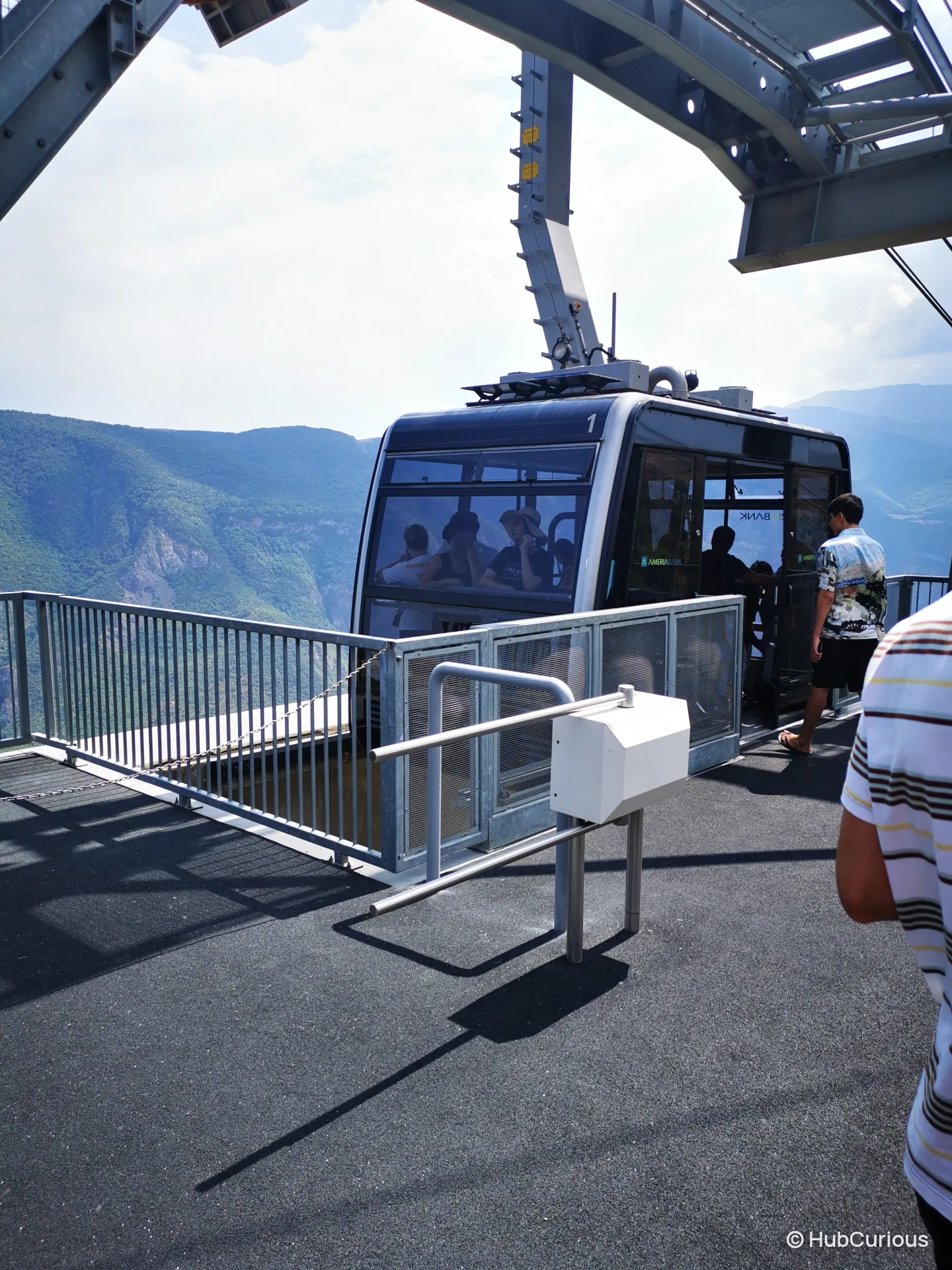
That was 8 August 2021, on Wings of Tatev, the world's longest reversible cable car, in southern Armenia. The trip was meant to be about temples and monasteries, and it was, but the cable car was the main thing on the list. We will remember that afternoon for the rest of our lives.
Is the Wings of Tatev cable car worth it?
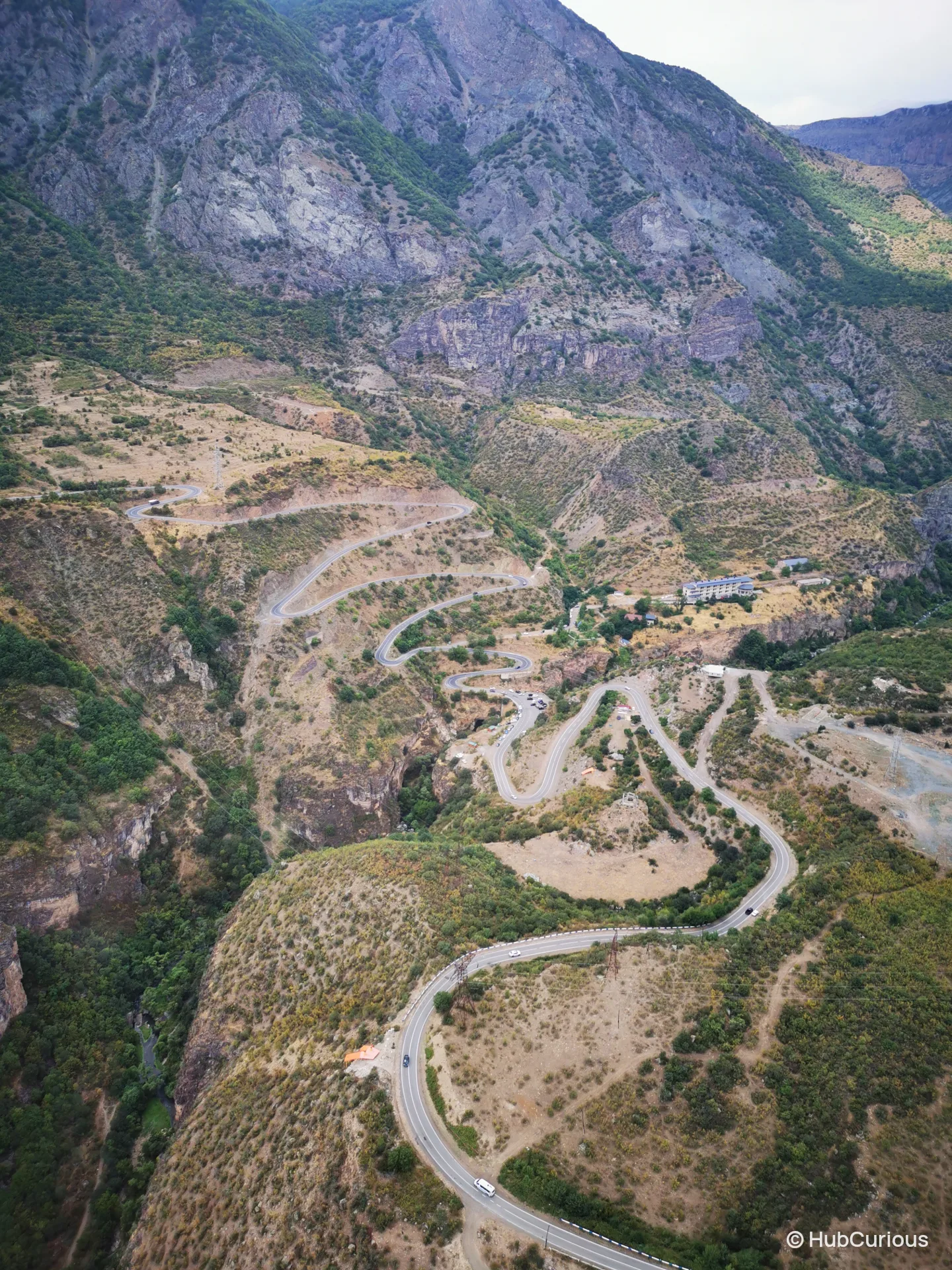
Yes, and on an ordinary day it is the easiest way to reach Tatev Monastery. The line crosses the Vorotan gorge for 5.75 kilometres and the ride takes about twelve minutes. From the side where we were, it was the only way to get to Tatev, so the car stayed in the car park.
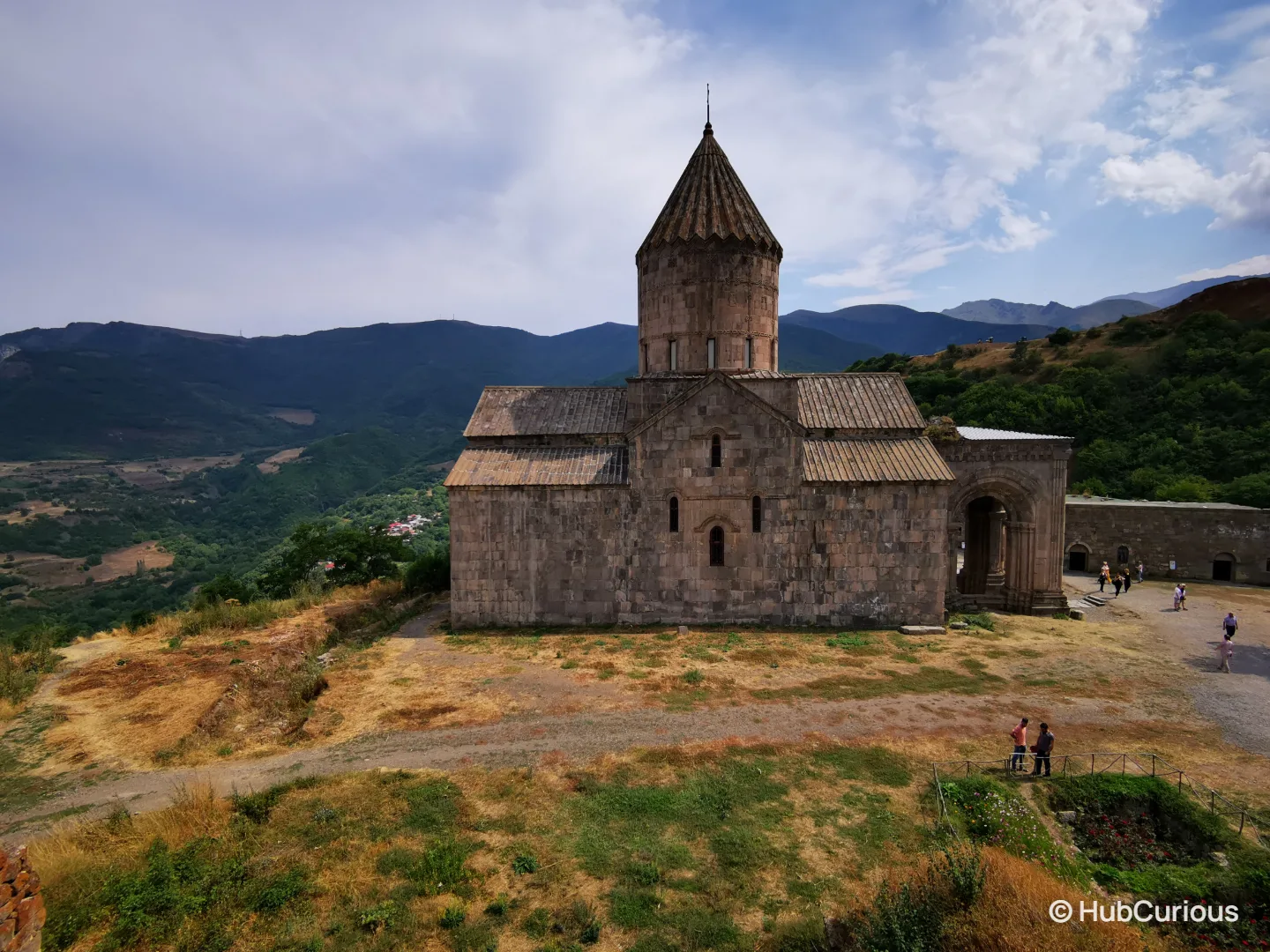
We walked around the monastery above the gorge and started back.
What happens when the Wings of Tatev cable car stops?
You wait, and then rescuers bring you down. At the last minute we jumped into a cabin that was about to leave, and halfway across it stopped. The company later said the line had halted at 15:40 because of lightning and as a safety measure, that there were 41 passengers and two attendants in the two cabins, and that everyone was evacuated by 18:45. The whole thing lasted about three hours, start to finish. From inside the cabin it felt like a lifetime.
I cannot say how long our own cabin hung there. It felt endless. We were scared, and lucky too: the cabin had stopped frighteningly close to the edge.
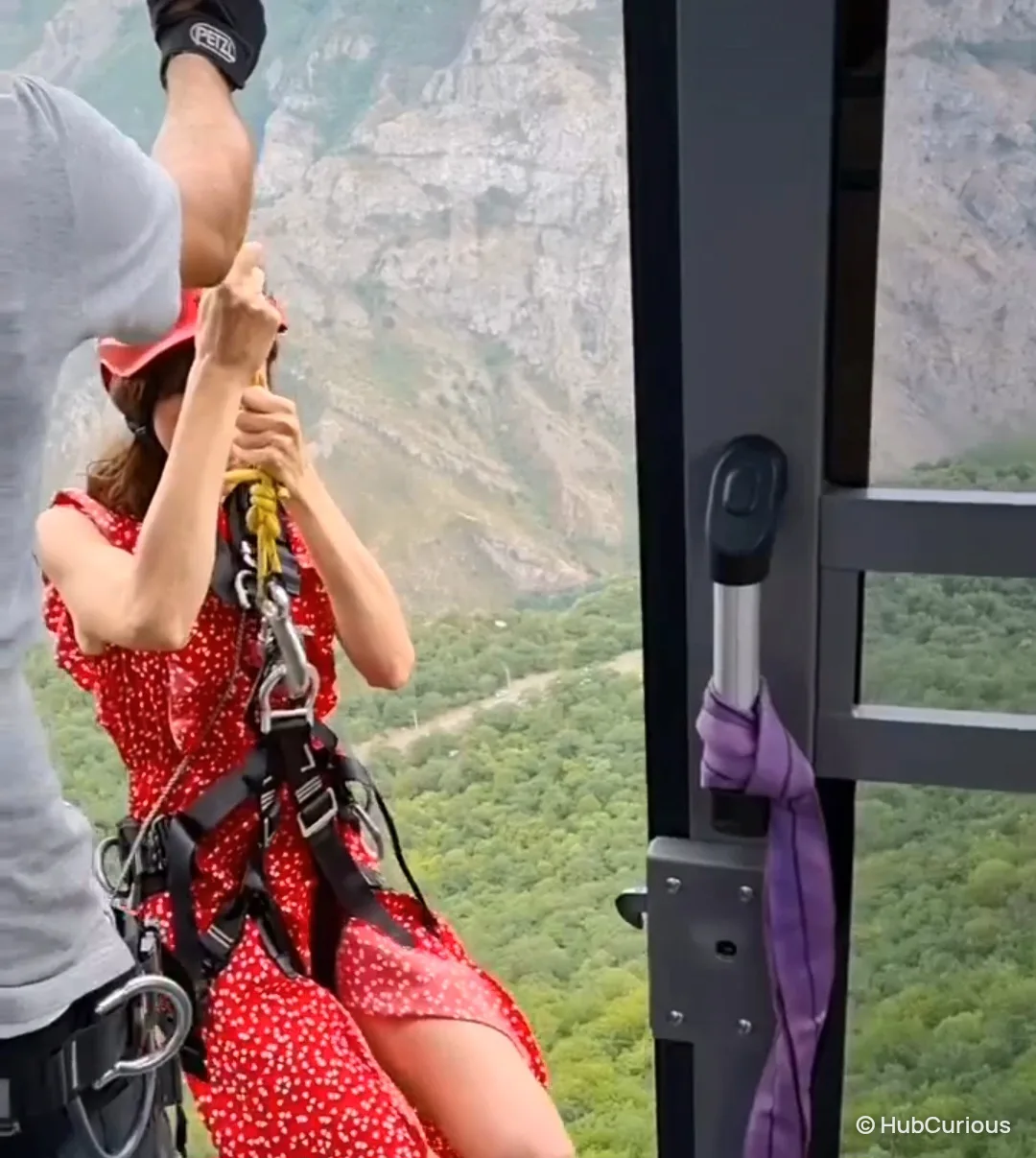
Rescuers fitted helmets, clipped us to ropes and brought us down.
I recently found one photograph from that afternoon: me being lowered from the cabin during the evacuation.
Which monasteries in Armenia are worth the drive?
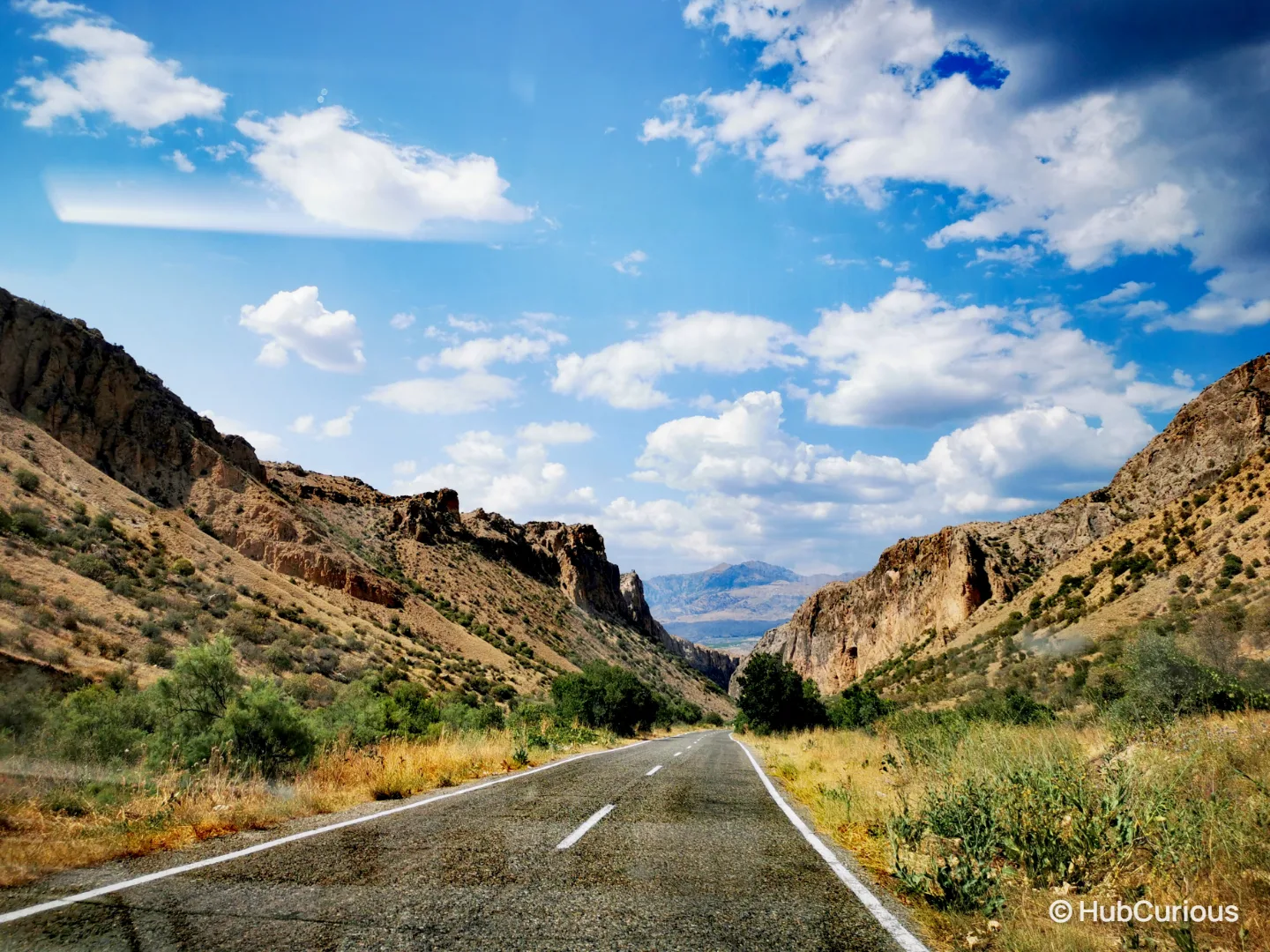
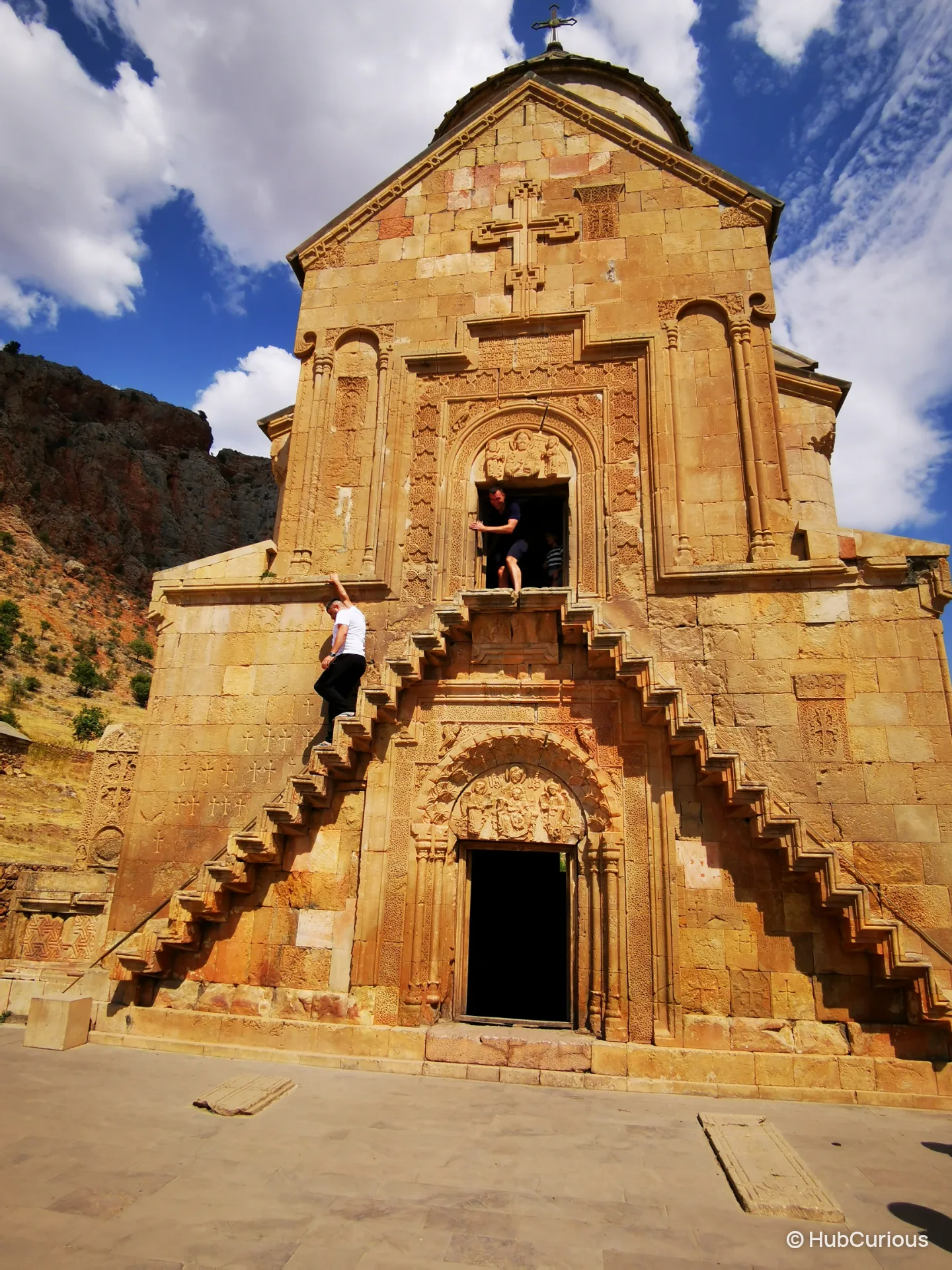
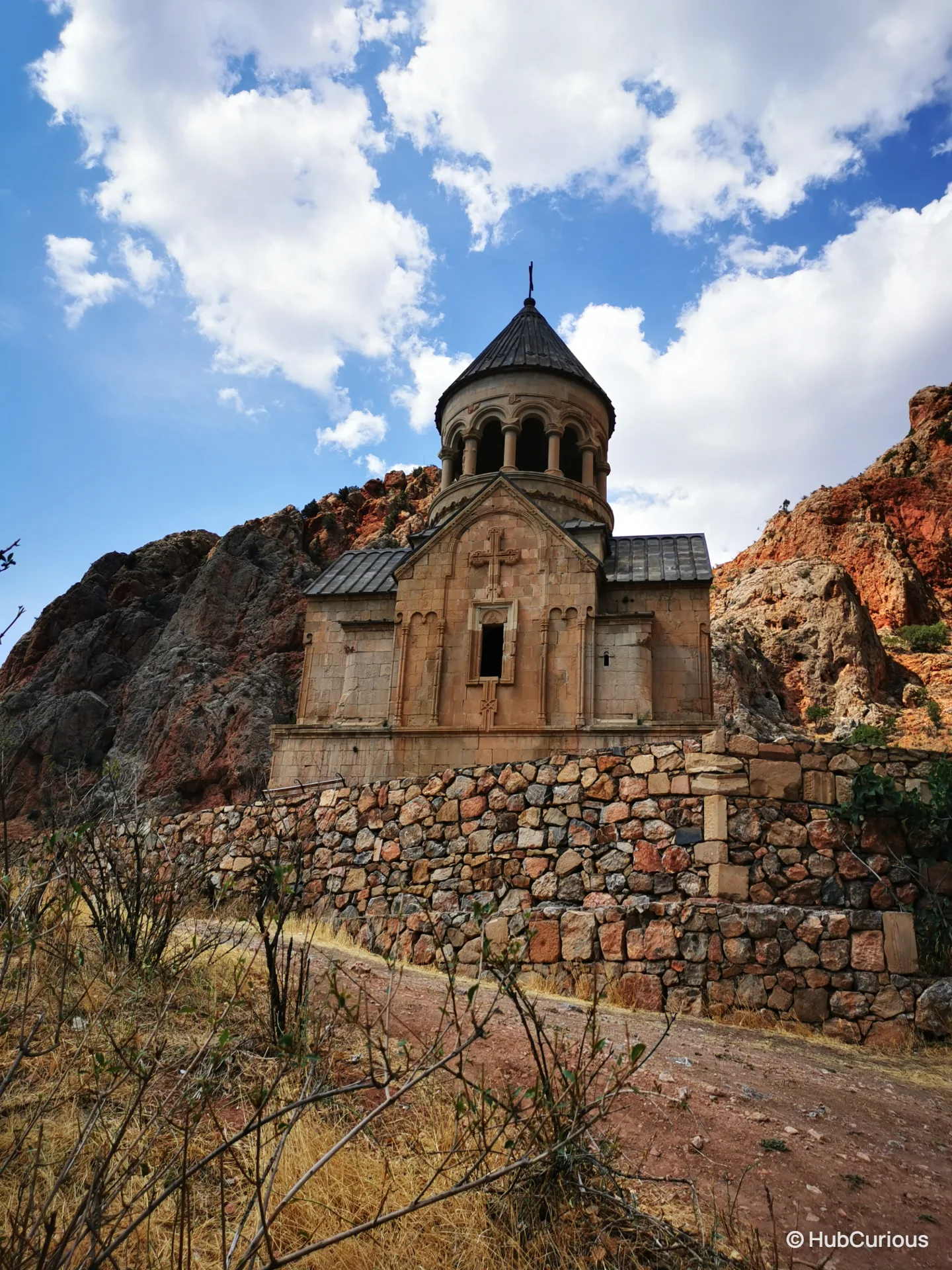
All of them, but Noravank is the one I would put first. The temples were beautiful, and so was the land around them; the nature in Armenia is superb. At Noravank, narrow stone steps jut out from the front of the Surb Astvatsatsin church and lead to a doorway on the upper floor. You can climb them and look inside. The ground floor below was a family burial vault, and red cliffs stand right behind the complex.
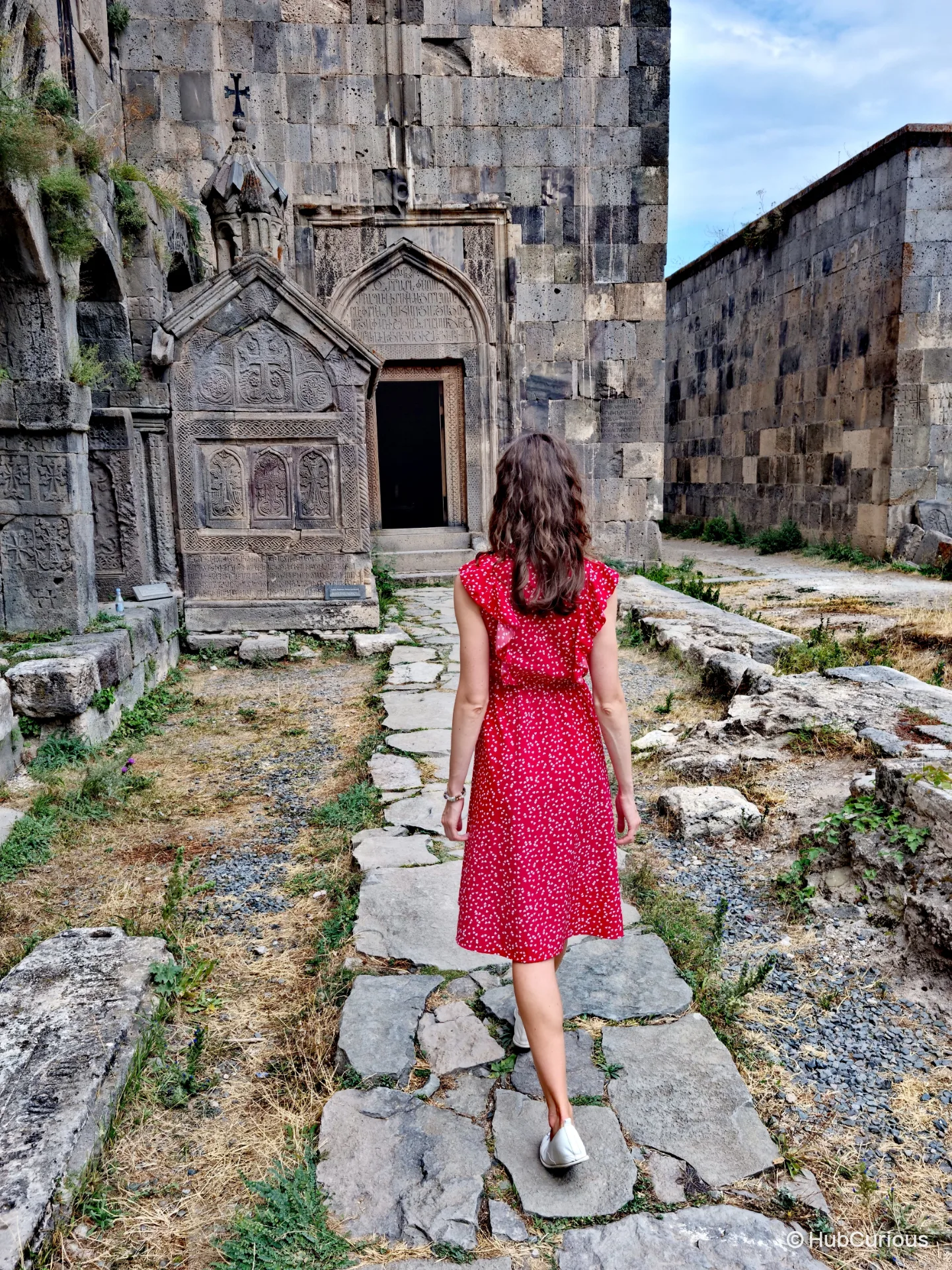
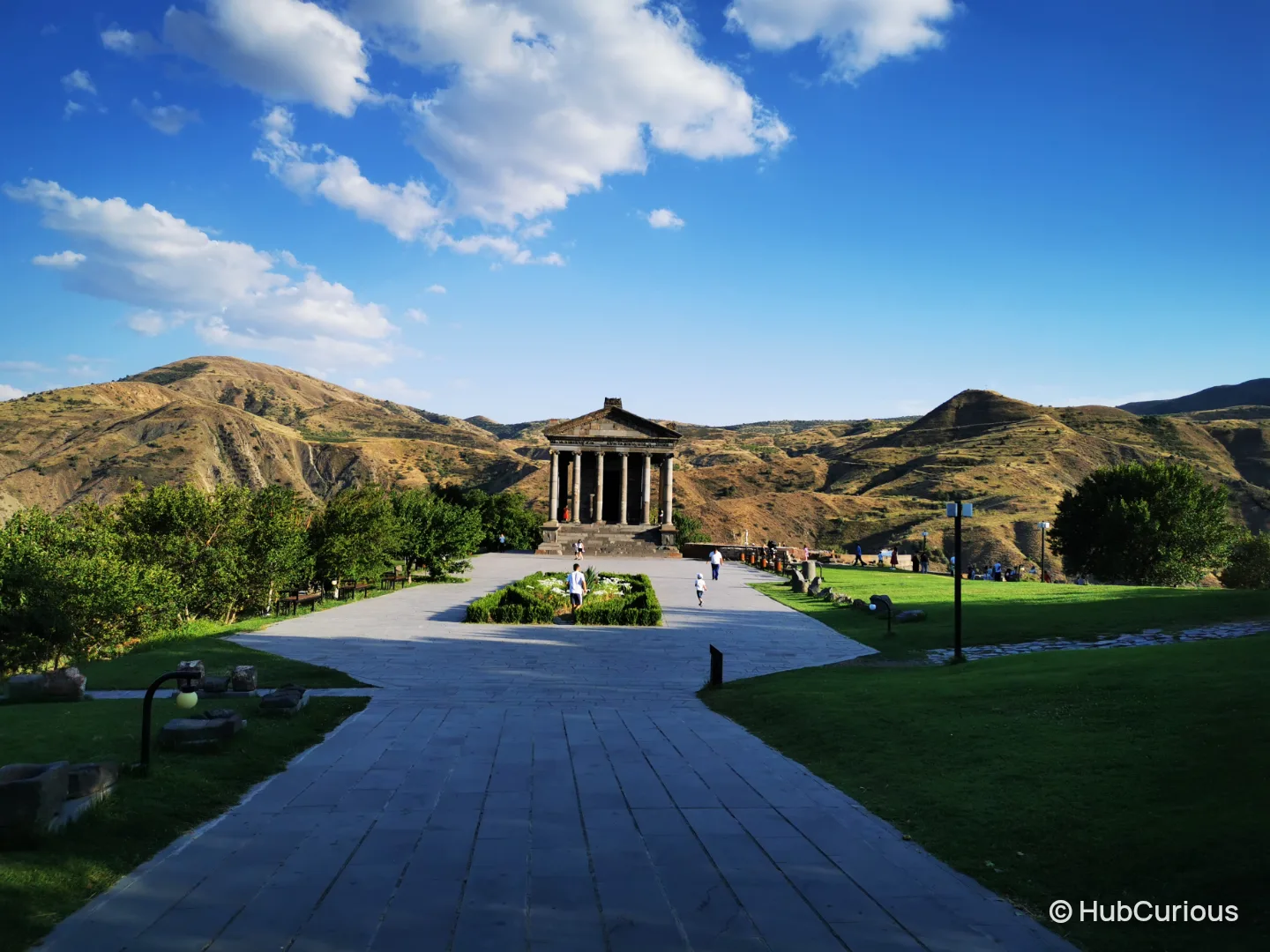
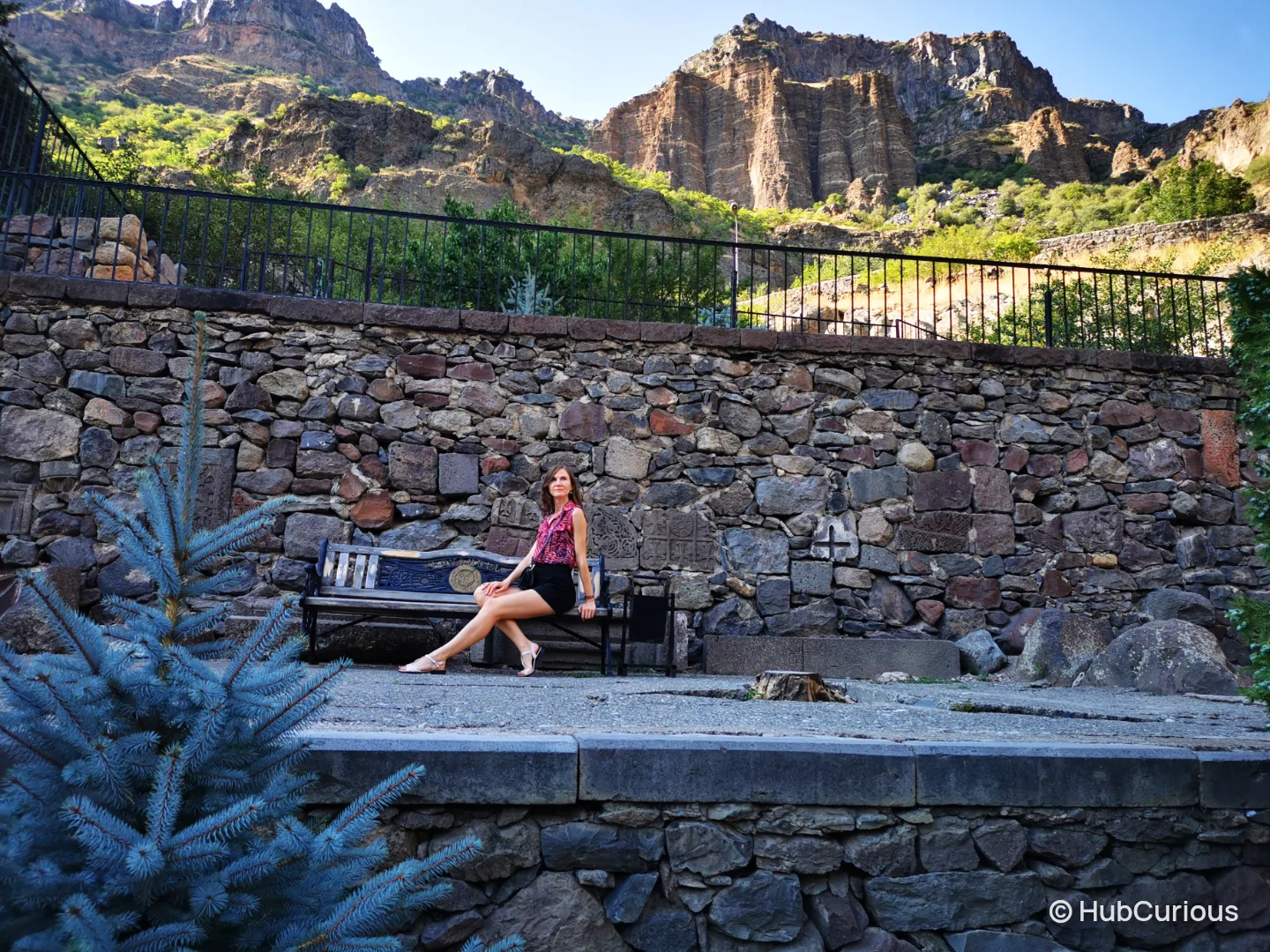
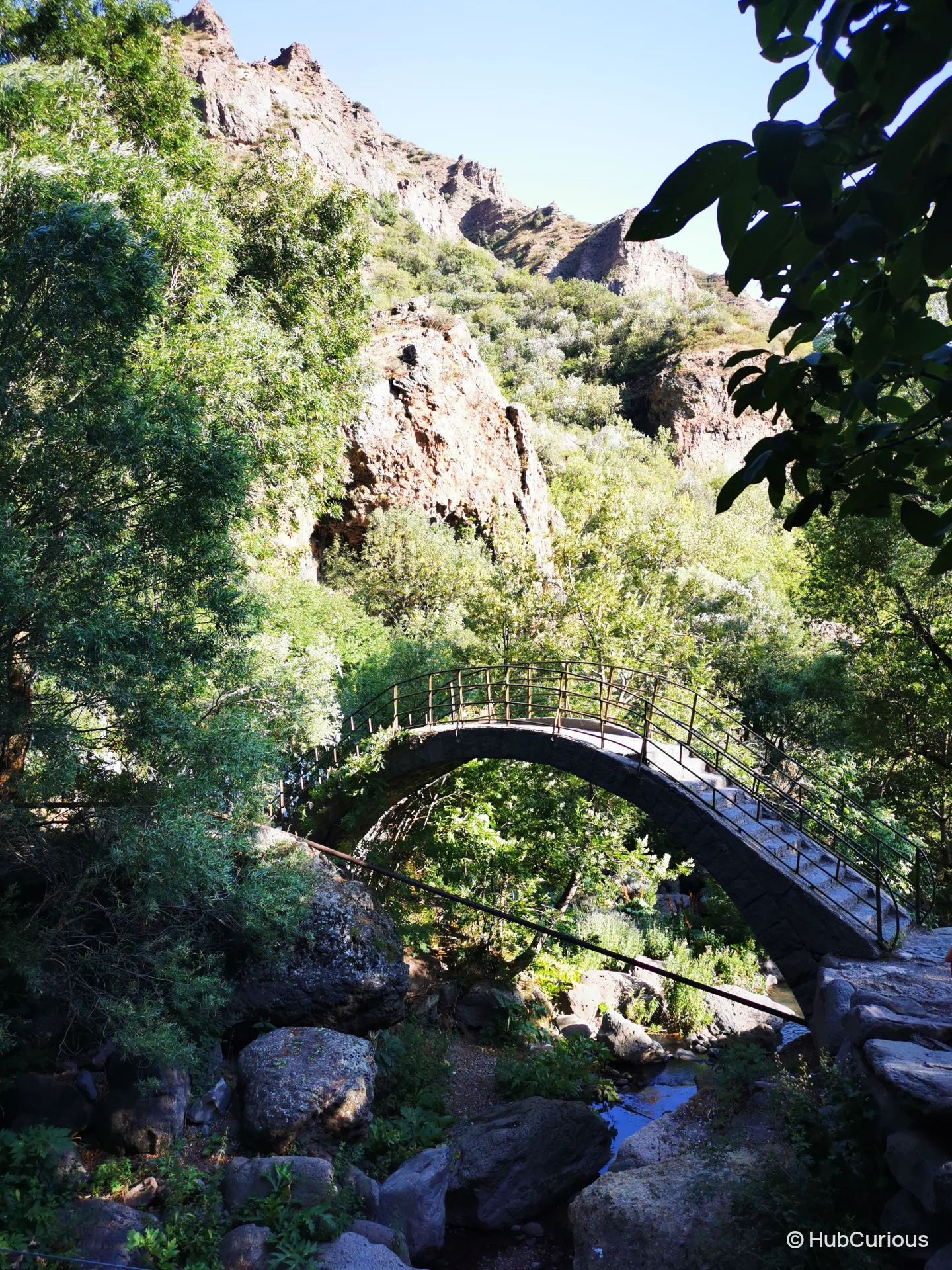
Garni and Geghard are neighbours. They are about eleven kilometres apart along the Azat river. Garni is a temple rather than a church, the only free-standing Greco-Roman building in Armenia, and it stands at the end of a wide paved path. Geghard is partly carved out of the mountain, with carved khachkars set into one of its walls. I sat on a bench under the cliffs there, and a small stone footbridge crosses the stream nearby.
Khor Virap is where, according to tradition, Gregory the Illuminator was imprisoned for 13 years.
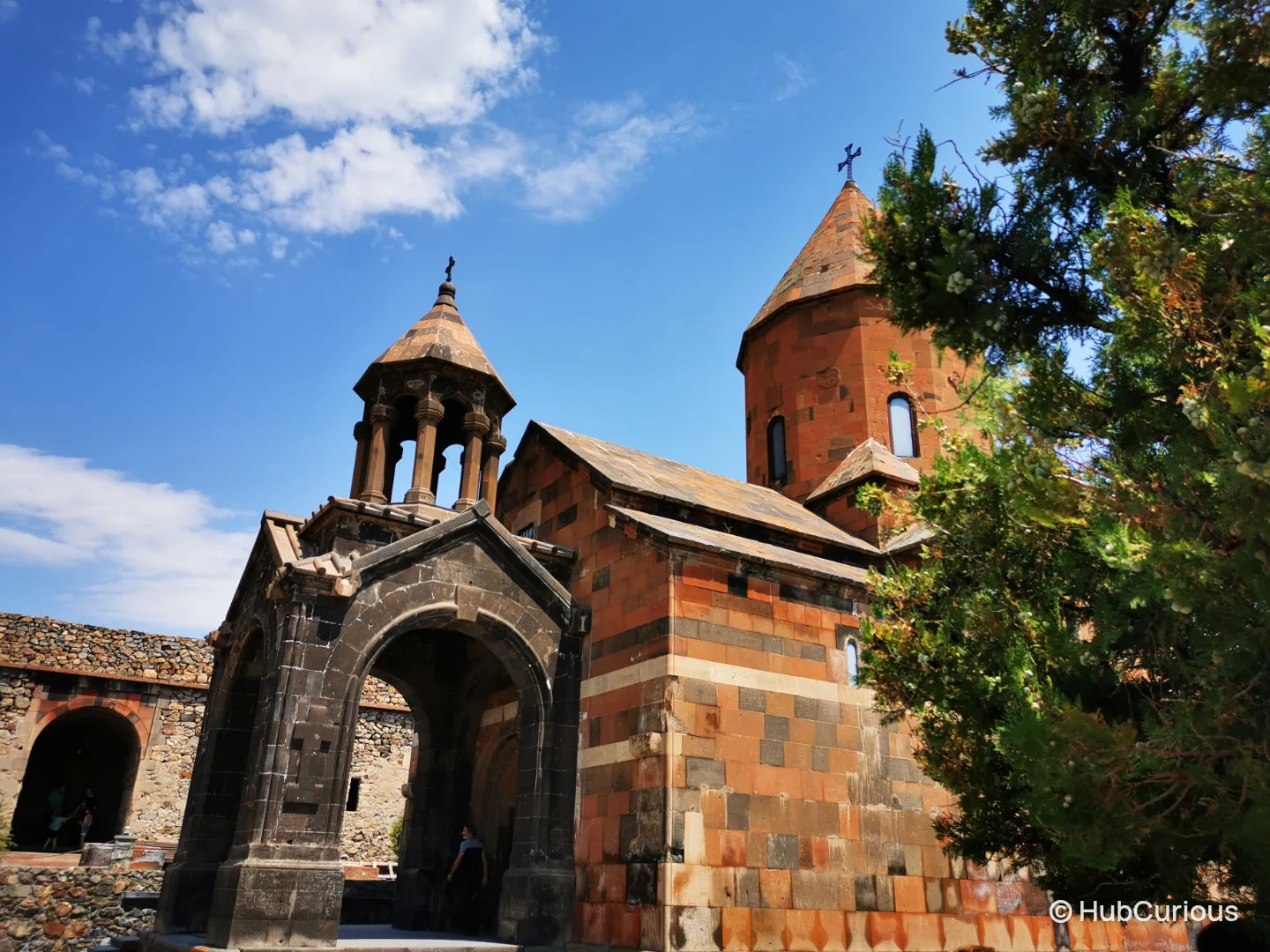
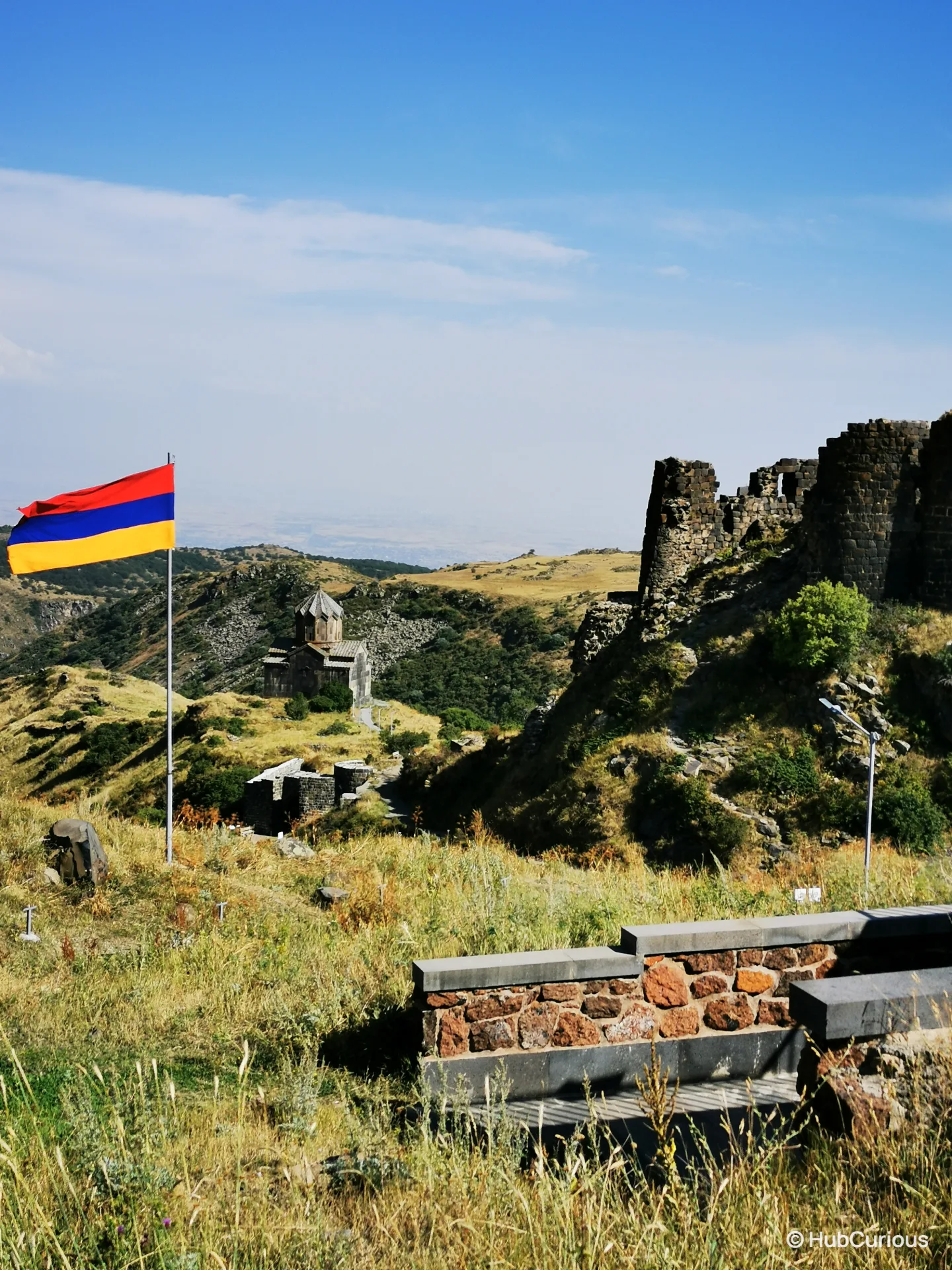
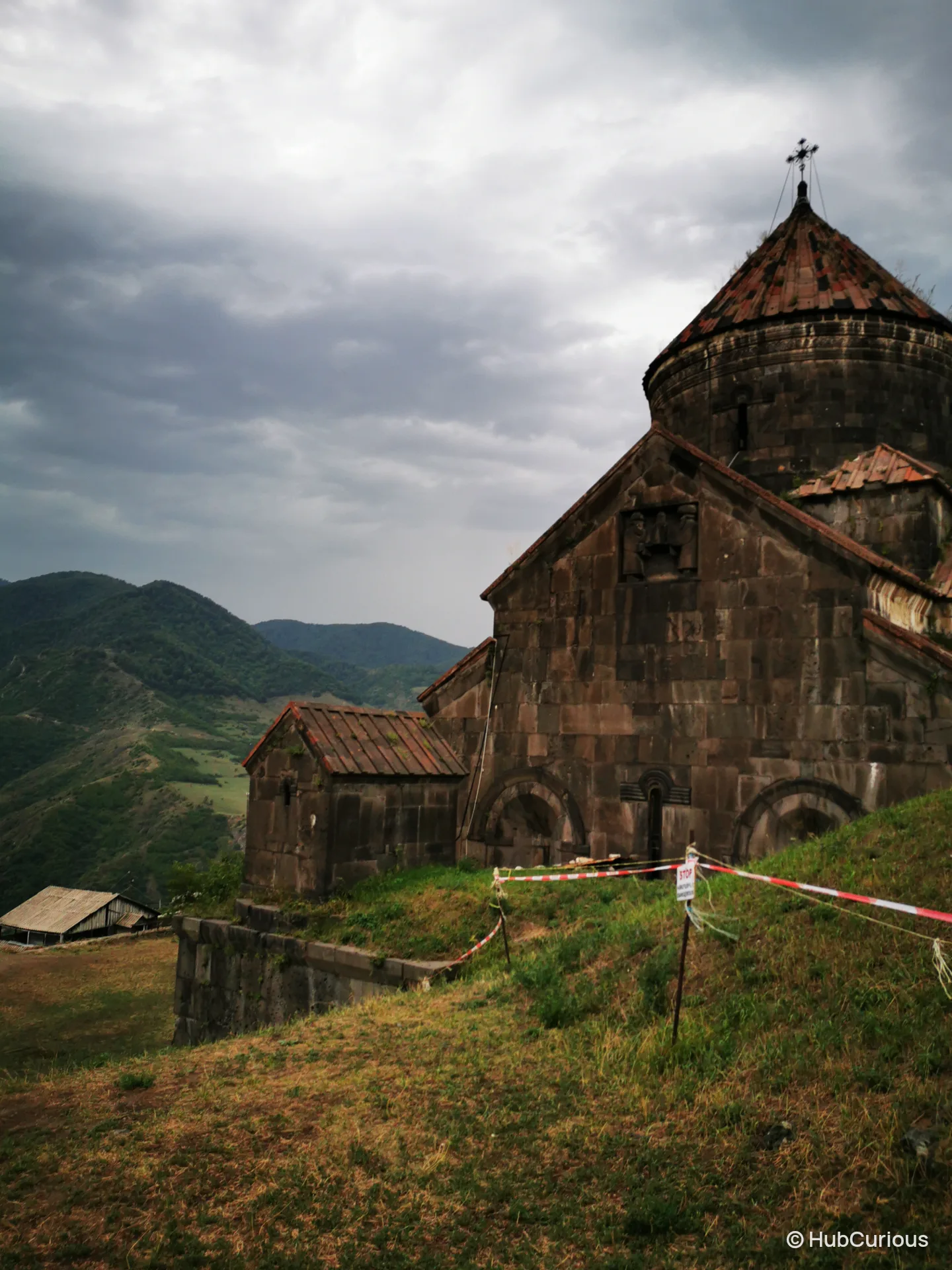
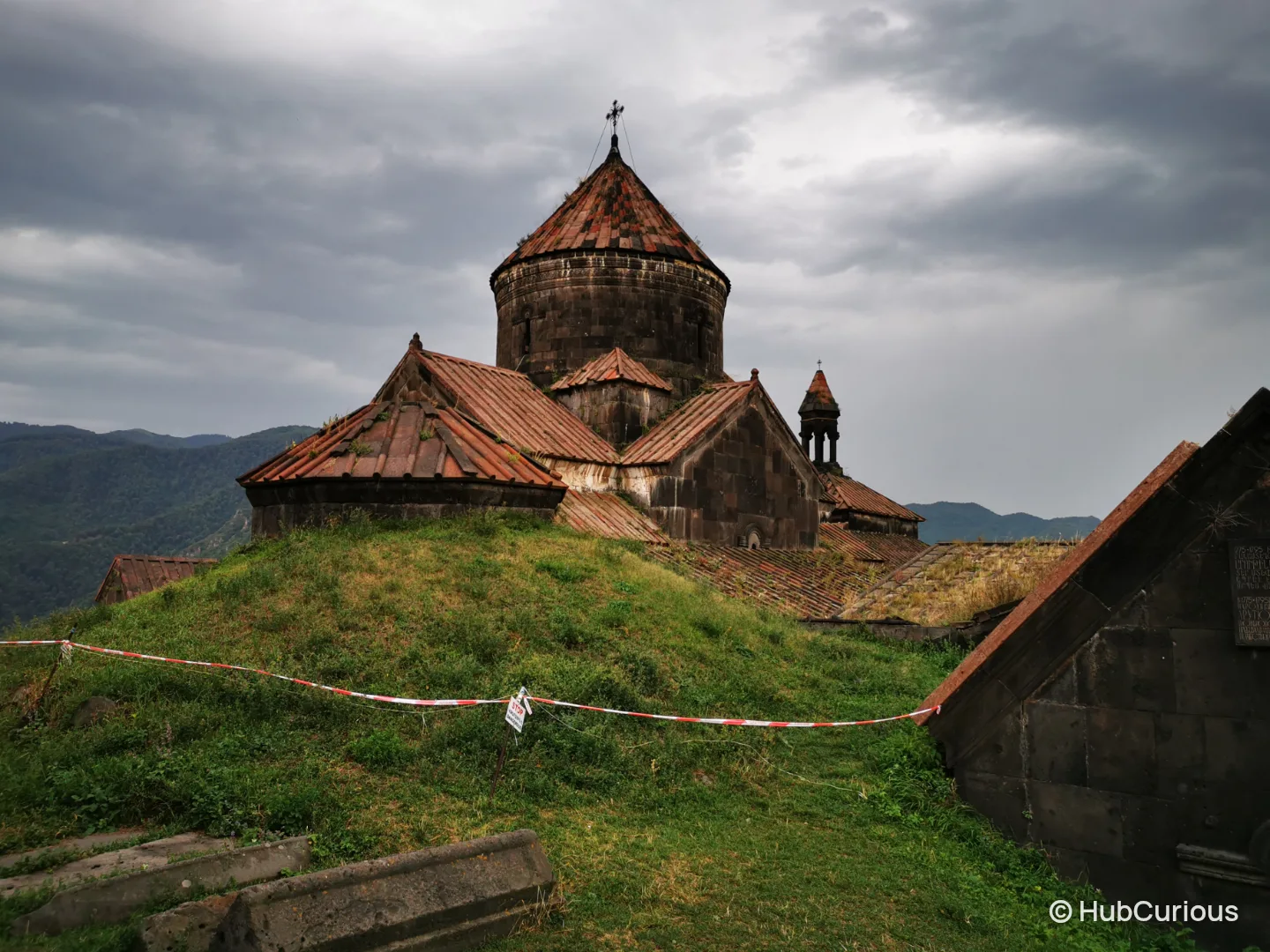
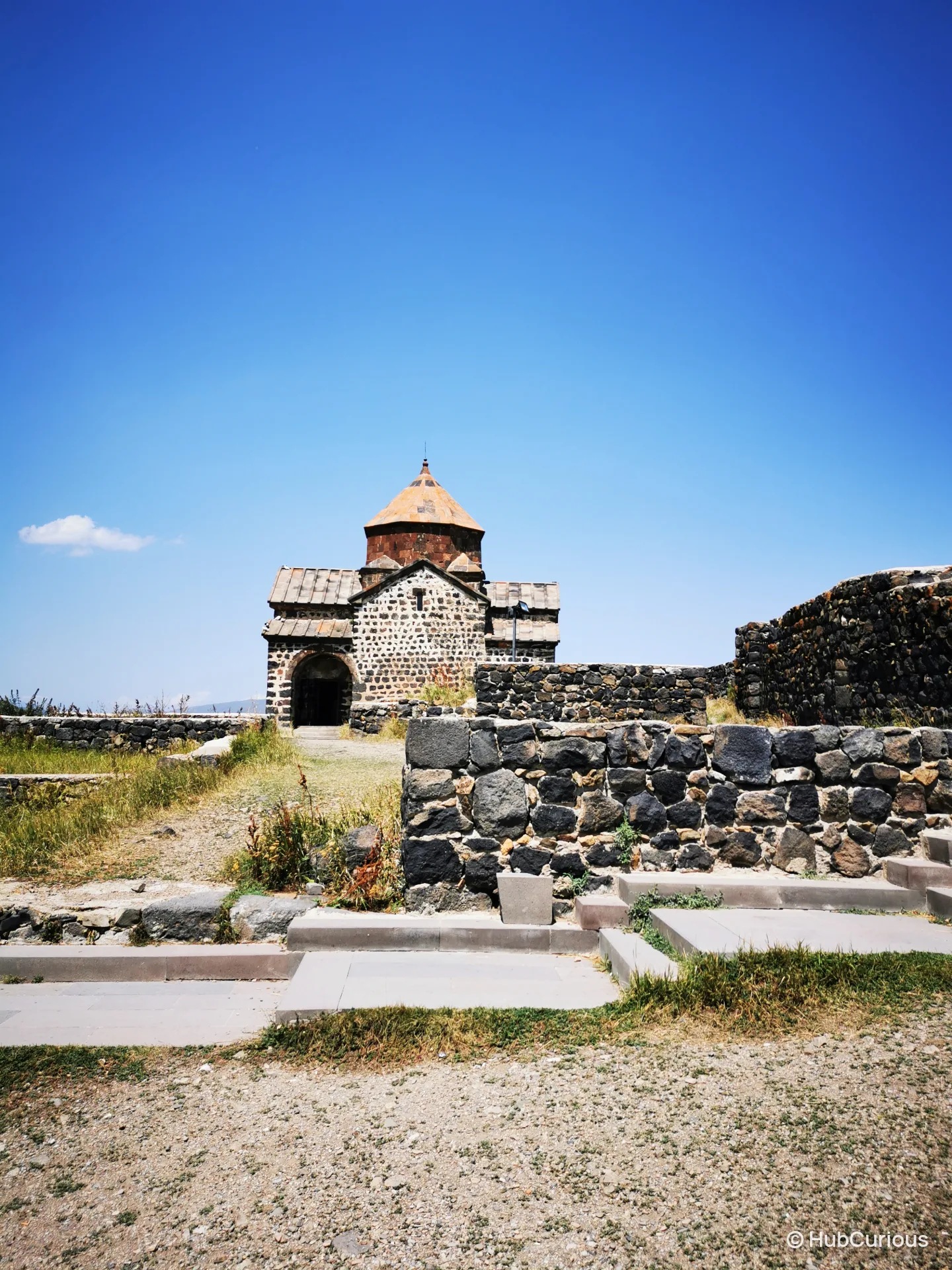
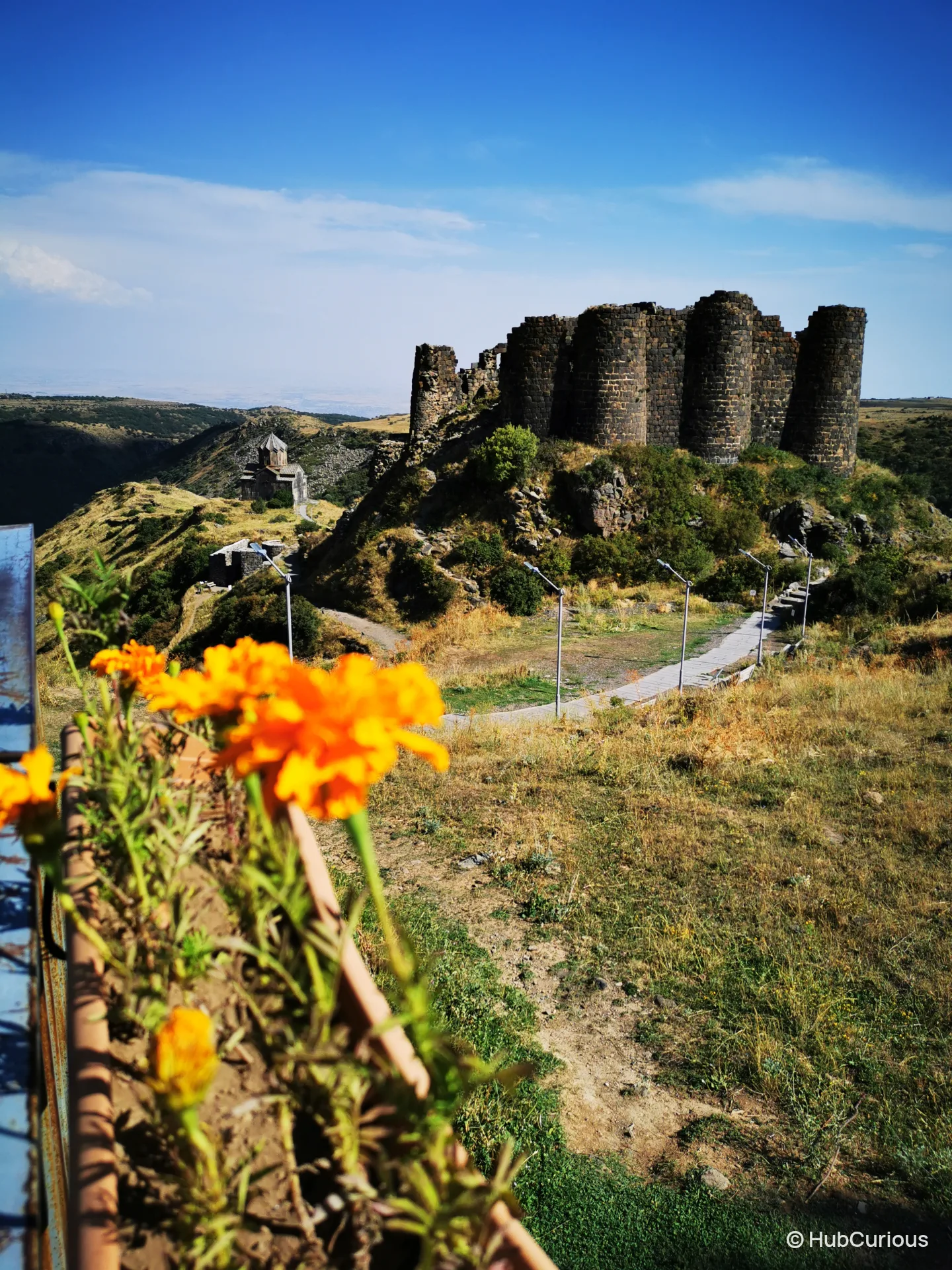
In the north, Haghpat was under a heavy sky when we got there, its red tile roofs above a grass slope closed off with tape. Sevanavank's dark stone church stood against a cloudless sky. Amberd sits at 2,300 metres on the slope of Mount Aragats, and the view from it was superb.
How do you visit Armenia's monasteries without a guide?
By car, with a route you plan yourself. We had no guide. We worked everything out ourselves and drove a car from Sixt, picked up in Yerevan. If you would rather not drive, day trips to Garni and Geghard can be booked through GetYourGuide; we did not use them. To stay connected the whole way we used an Airalo eSIM.
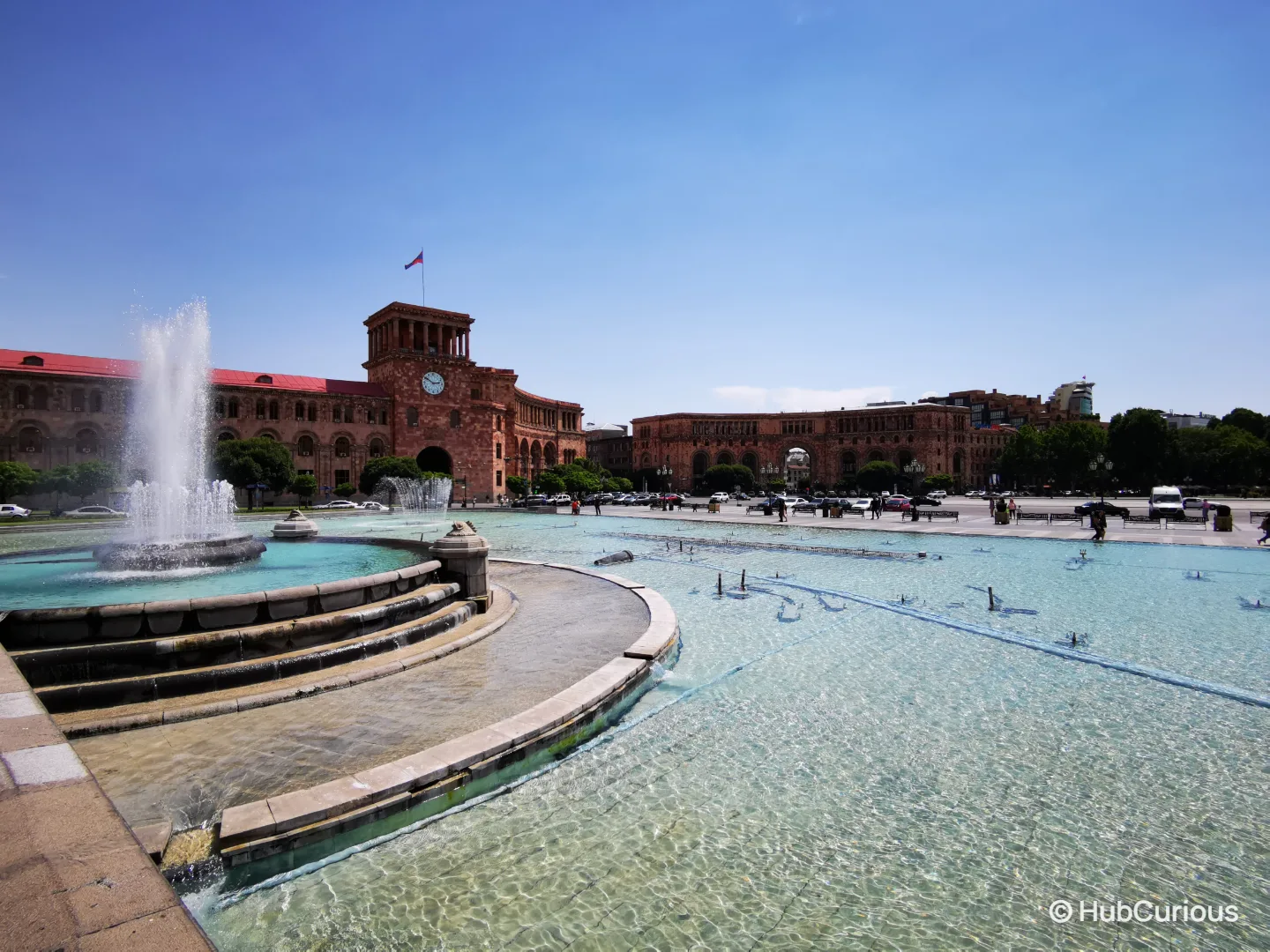
The full route is in the road trip post, and the city we started and finished in is in the Yerevan post.